
















Digvijay Deshbandhu
Marketing Manager at Webrex
International sales and marketing expert with 7+ years of experience driving growth and managing cross-functional projects.
 SEO Schema & JSON‑LD
Rich snippets & structured data
AI SEO Optimizer
AI meta tags, blogs & schema
SEO Audit Optimizer
Fix technical SEO issues fast
SEO Speed Optimizer
One-click image & page speed
Currency Converter
Geo-redirect & local currency
Multi Announcement Bar
Promos, countdowns & banners
Frequently Bought Together
Frequently bought together & AOV
Pricing By Country
Country-specific price control
Google Shopping Feed
Sync products to Google Ads
SEO Schema & JSON‑LD
Rich snippets & structured data
AI SEO Optimizer
AI meta tags, blogs & schema
SEO Audit Optimizer
Fix technical SEO issues fast
SEO Speed Optimizer
One-click image & page speed
Currency Converter
Geo-redirect & local currency
Multi Announcement Bar
Promos, countdowns & banners
Frequently Bought Together
Frequently bought together & AOV
Pricing By Country
Country-specific price control
Google Shopping Feed
Sync products to Google Ads
We turned raw product photos into clear, high-performing ecommerce visuals that improved product listing quality, customer understanding, and conversion potential.
This case study shows how raw chocolate turkey images were enhanced into a complete set of optimized ecommerce visuals that boost clarity, trust, and buying confidence.
Digvijay Deshbandhu

Most ecommerce brands underestimate how much their product images influence sales. A product can be great — but if the visuals are unclear, unstyled, or incomplete, customers won't fully understand the value, size, quality, or uniqueness of what they're buying.
The Sweet Tooth came to us with a common problem: They only had raw product photos — no lighting, no styling, no context, no clarity, and no proper product listing images.
Our objective was NOT to "make pictures look pretty." It was to turn basic photos into ecommerce assets that:
Improve product listing quality
Communicate value instantly
Reduce customer hesitation
Create clarity around size & ingredients
Strengthen trust & transparency
Support higher conversion rates
This is what modern ecommerce requires — visual clarity before persuasion.
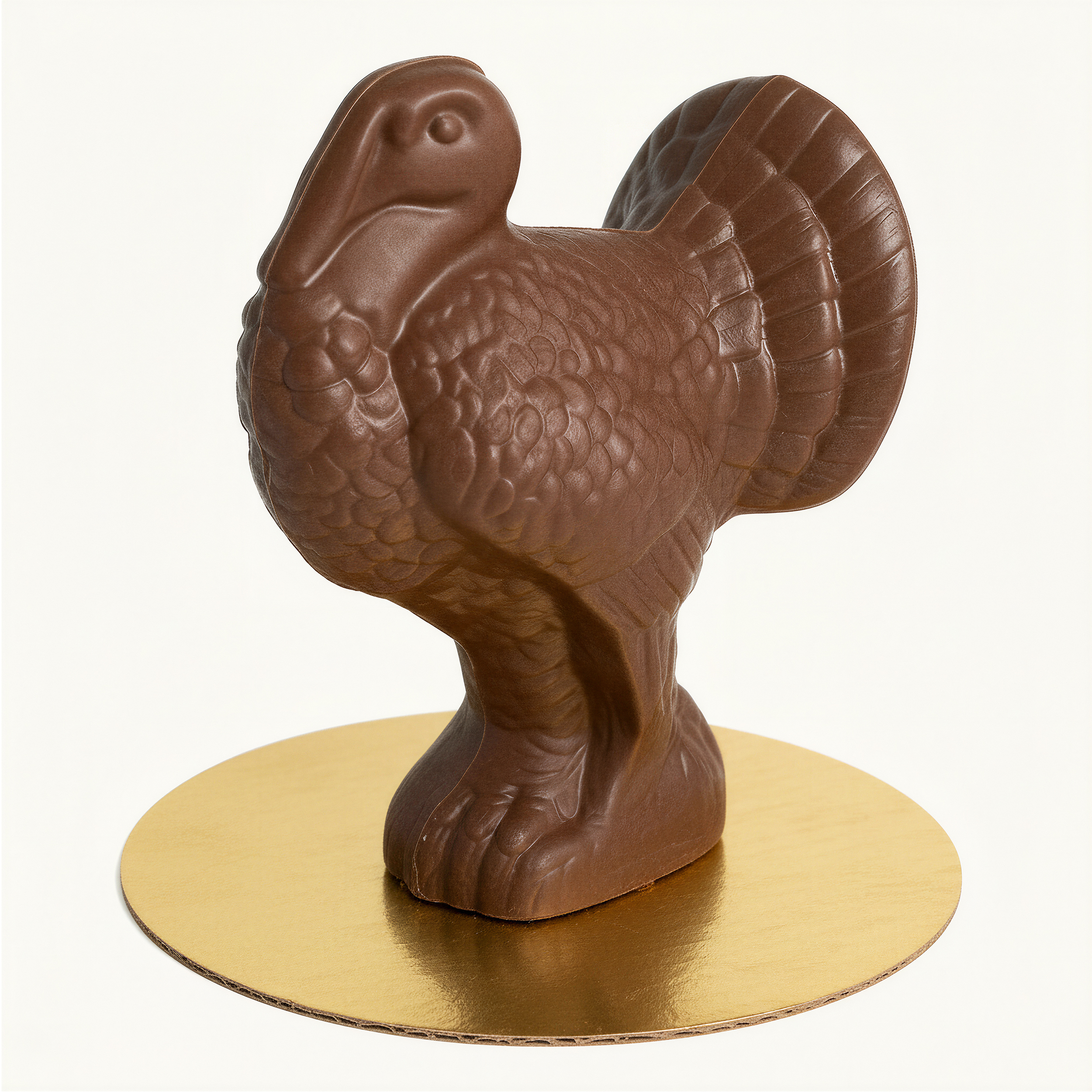
The original chocolate turkey image was simple: a product placed on a gold base, photographed plainly, with no direction or context.
There was nothing wrong with it — but nothing about it helped the customer make a buying decision.
Raw photos are a starting point, not a selling point.
Below is a breakdown of exactly what we did and why it matters for ecommerce brands.
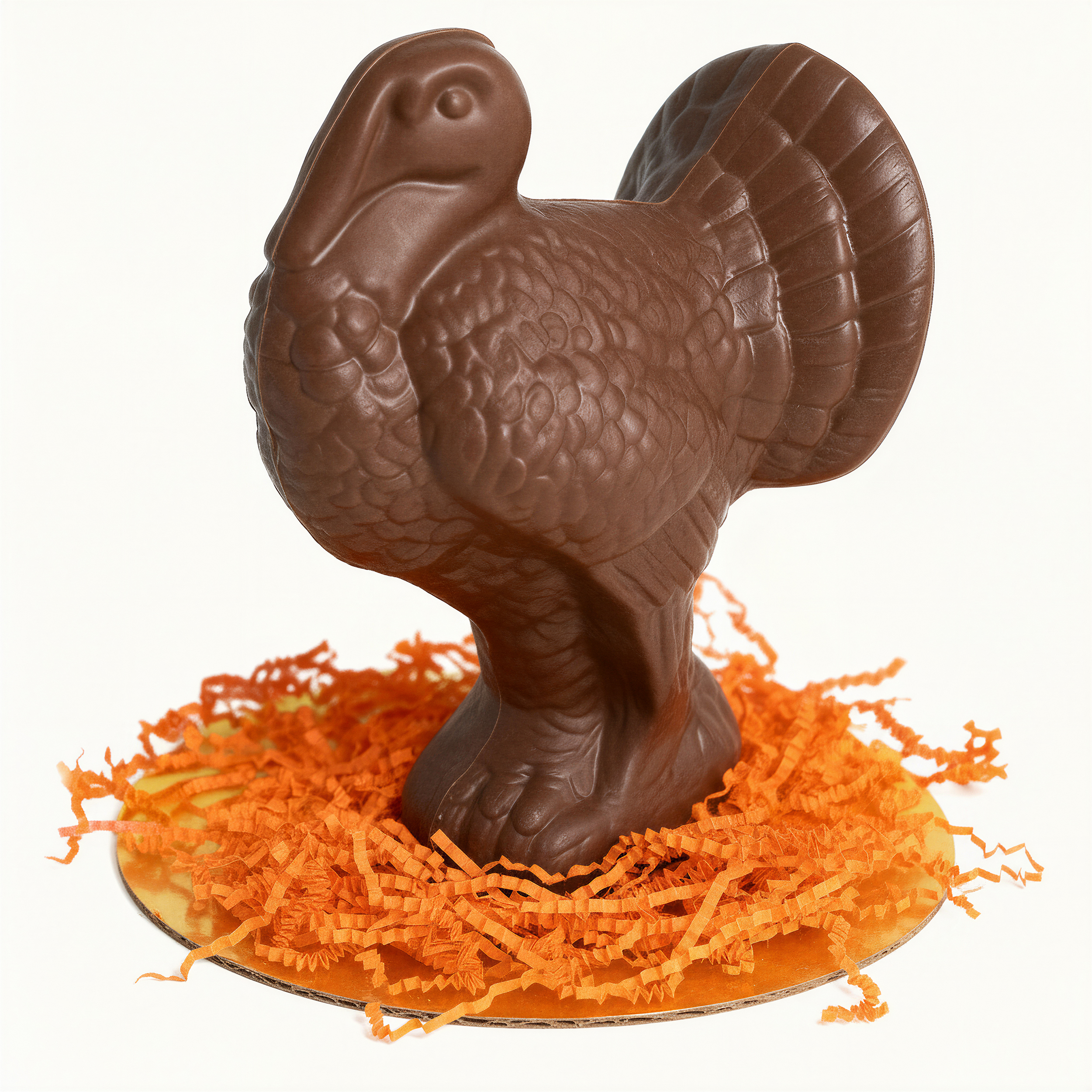
We introduced light styling elements that made the product feel more premium, visually rich, and ready for customer attention.
Why it matters:
Shoppers spend less than 1.5 seconds judging a product listing image.
Small enhancements can dramatically increase engagement.
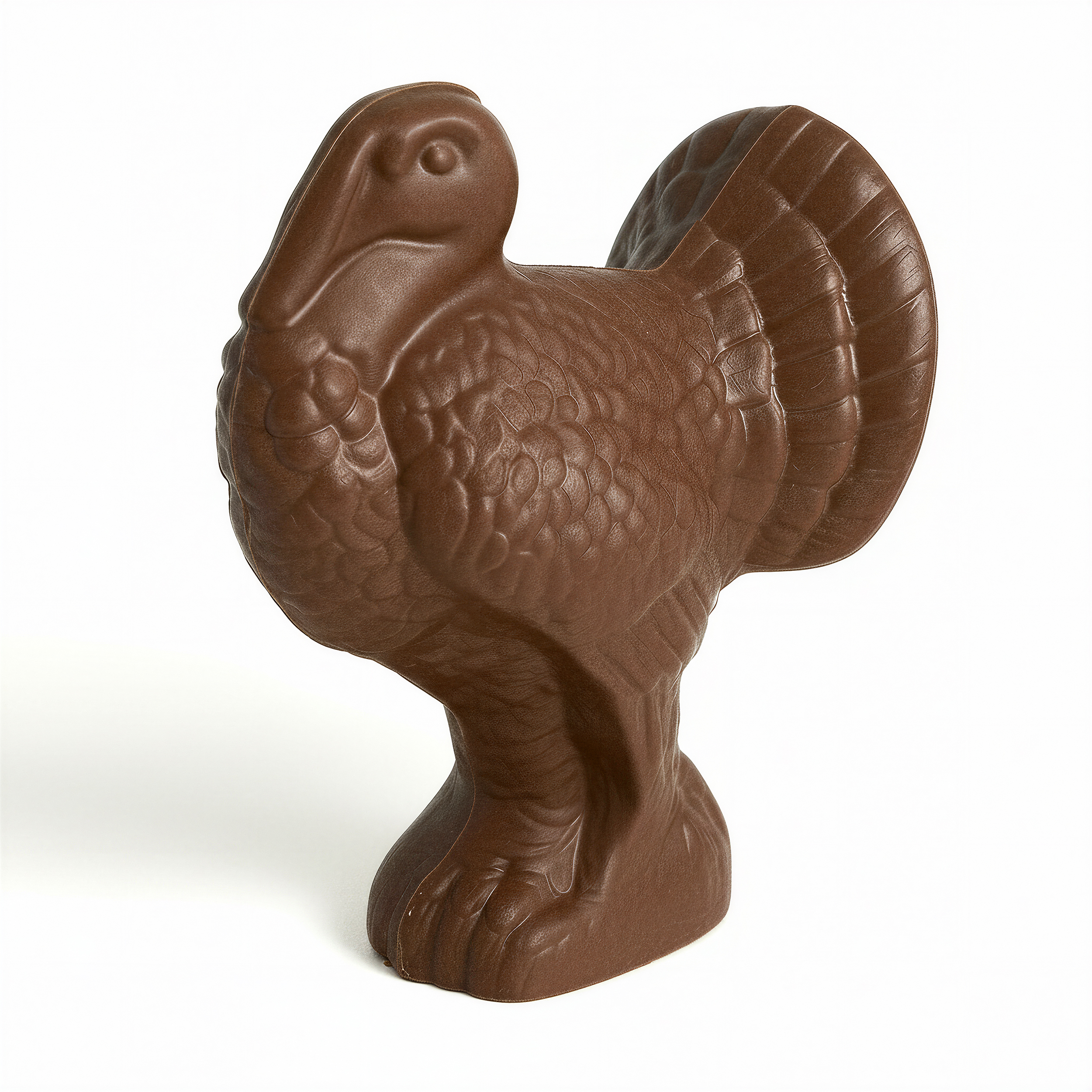
We produced a crisp, distraction-free product photo ideal for:
Why it matters:
The main product listing image affects:
A clean image is mandatory for ecommerce clarity.
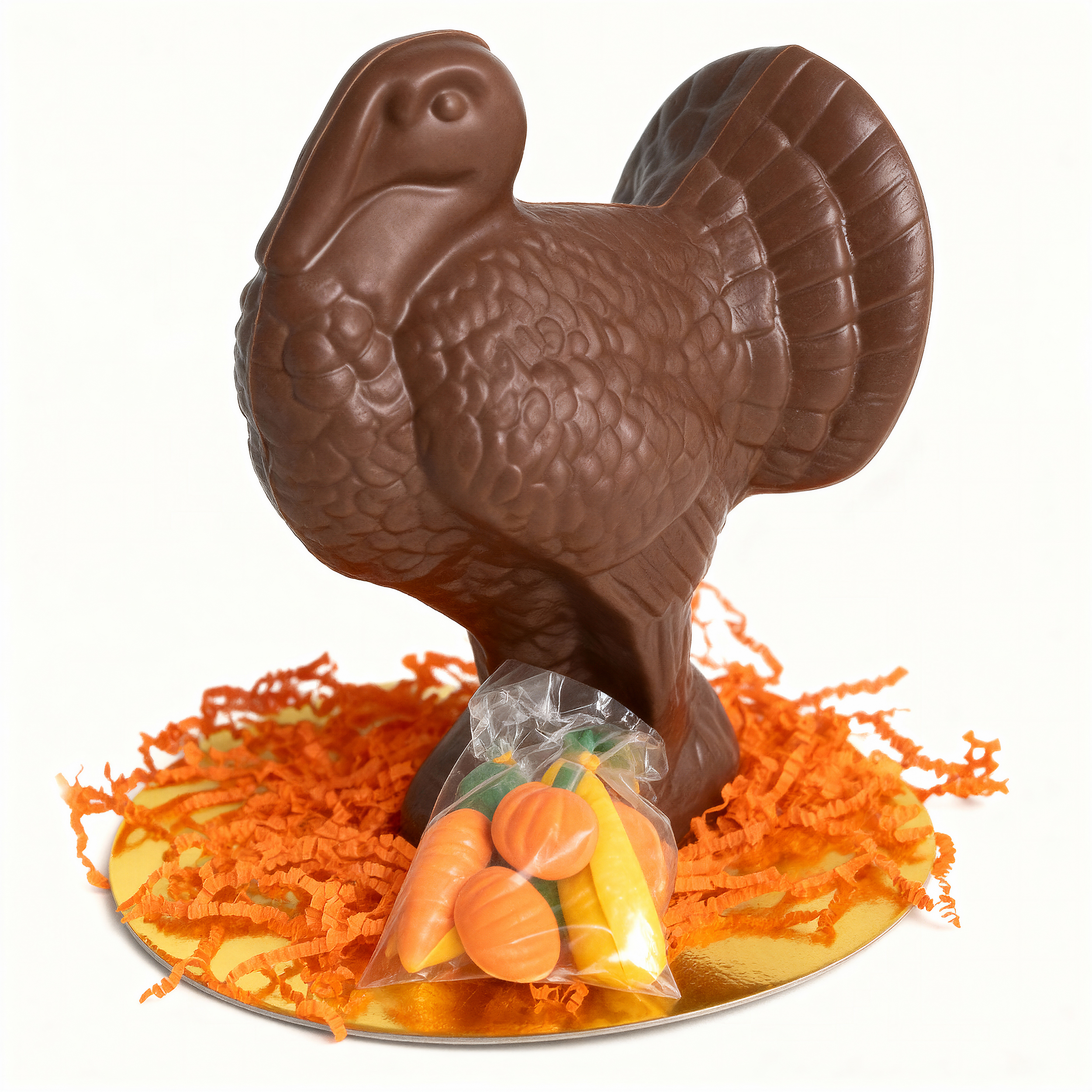
We added the chocolate vegetables around the turkey to visually show the entire offering.
Why it matters:
Customers convert faster when they can see exactly what they're paying for — without reading lengthy descriptions.

We placed the product in real, warm settings to show how it looks "in use."
Why it matters:
Lifestyle visuals help customers imagine the product in their home — increasing buying confidence.
We surfaced gluten-free, kosher, and dairy/vegan-friendly indicators visually.
Why it matters:
Fast trust = faster conversions.
These cues prevent unnecessary drop-offs.

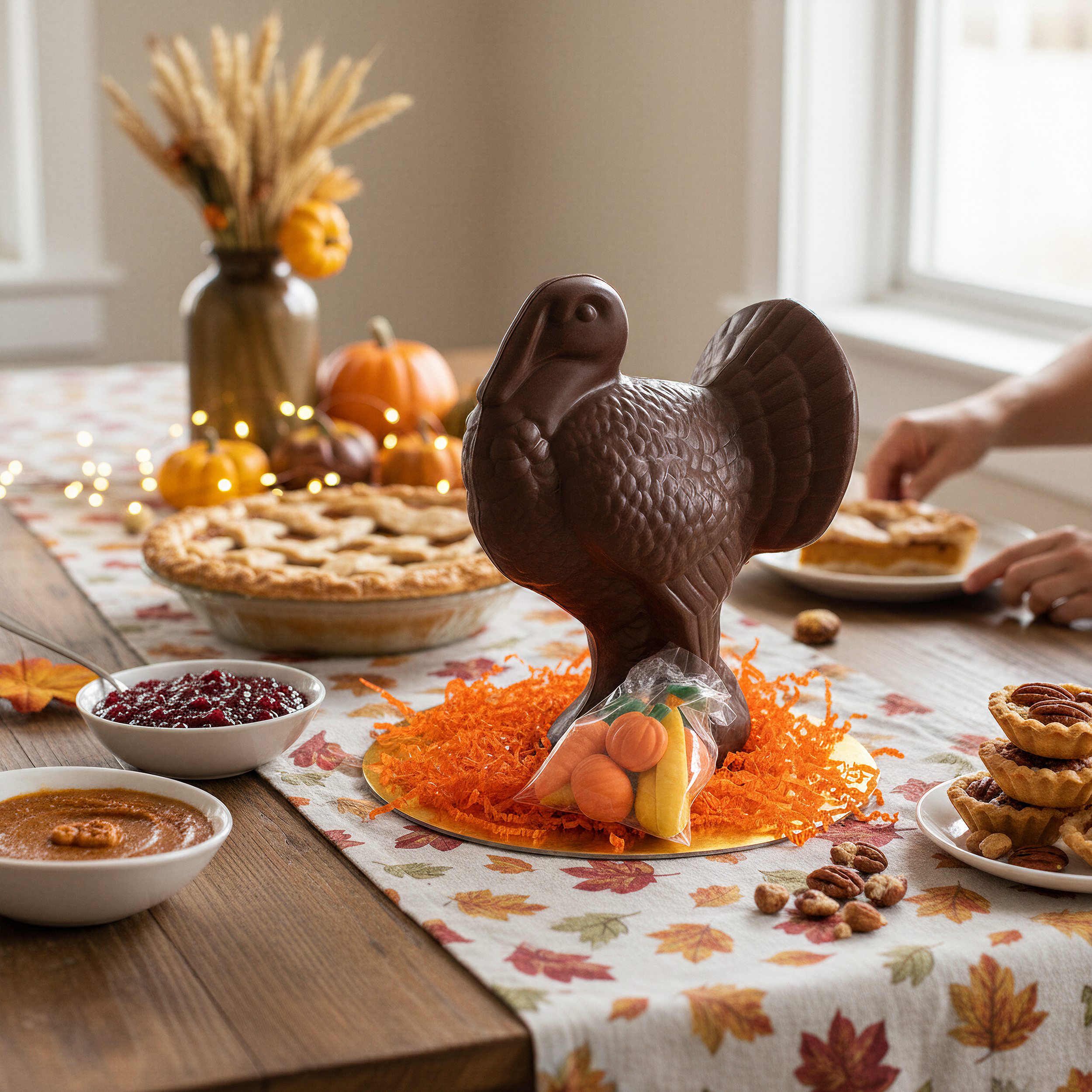
We integrated hands, plates, food, and real table settings.
Why it matters:
Human presence increases emotional connection and reduces "cold ecommerce" feel.
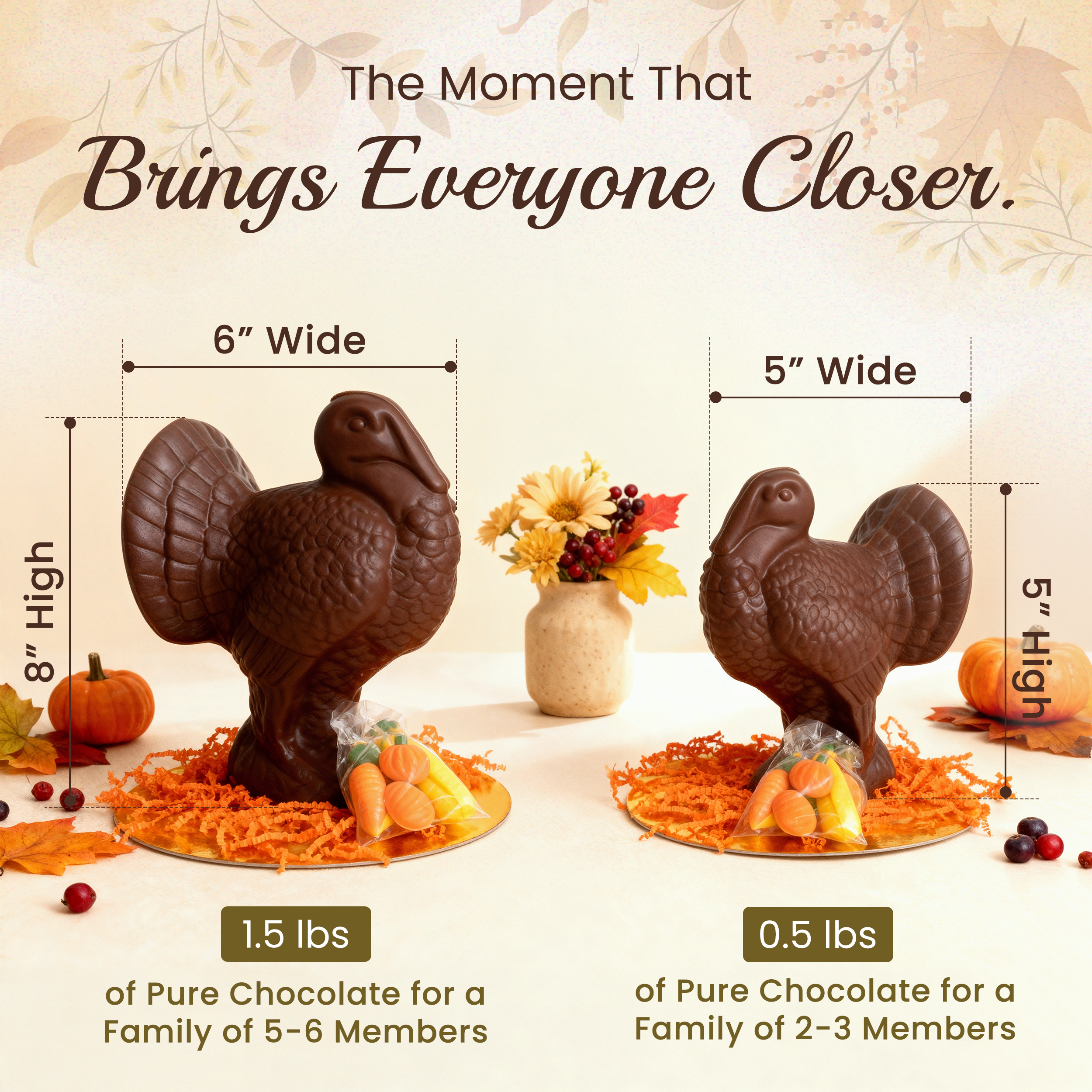
We showed both turkey sizes side-by-side.
Why it matters:
Size confusion is one of the top causes of returns and abandoned carts.
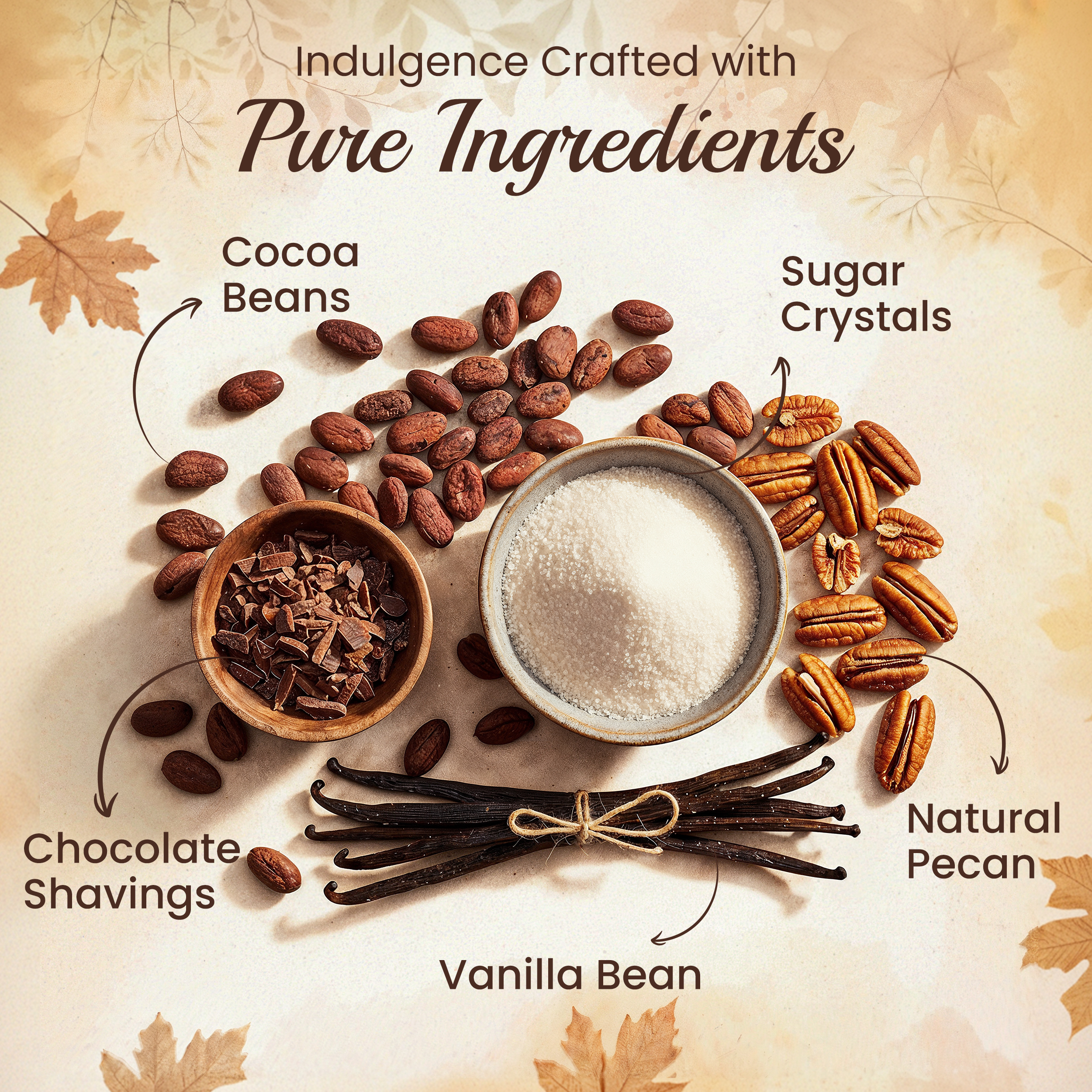
Cocoa beans, vanilla bean, pecans — revealed through a composed flatlay.
Why it matters:
Ingredients elevate brand positioning and help justify pricing.
We provided clear close-ups highlighting texture and handcrafted detailing.
Why it matters:
Detail shots eliminate doubt and improve trust in product quality.

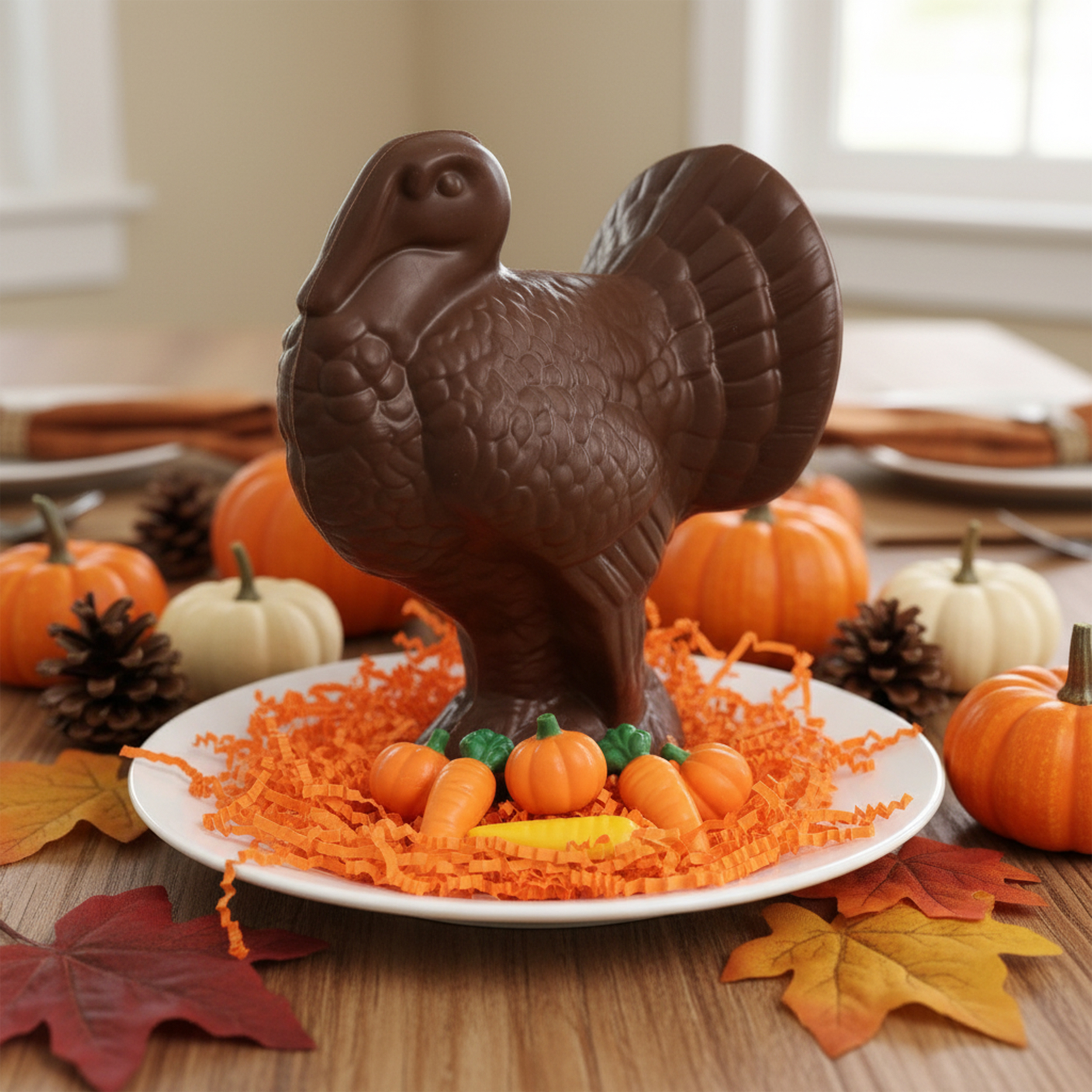
A beautifully styled scene that ties everything together.
Why it matters:
This becomes:
By converting the raw photos into optimized ecommerce visuals, we delivered:
Customers instantly understood value, size, content, and quality.
Images became structured for better performance on Shopify and marketplaces.
Trust increased through details, ingredients, and transparent visual communication.
Lifestyle images attract longer viewing time and stronger interest.
Every image served a purpose in the buying journey.
This is not traditional photography.
This is ecommerce image optimization — a discipline rooted in customer behavior and conversion psychology.
Most ecommerce brands have great products.
Very few have visuals that reflect that greatness.
Raw photos are not enough.
Customers need:
A single product can be reimagined into a full visual system that improves every step of the buyer journey.
This case study is proof of what's possible when raw images are transformed with ecommerce performance in mind.
Most brands treat product photography as a one-time task.
But optimized visuals are an ongoing competitive advantage.
Whether it's building trust, showing scale, or triggering emotion — each visual should serve a conversion purpose.
Your product pages should evolve. New images, fresh angles, and seasonal updates keep listings competitive.
Better imagery = higher click-through, lower bounce, stronger add-to-cart, and fewer returns.
If your product images aren't optimized for ecommerce, you're leaving conversions on the table.
This is what we do at Webrex.
Article by
Marketing Manager at Webrex
International sales and marketing expert with 7+ years of experience driving growth and managing cross-functional projects.